
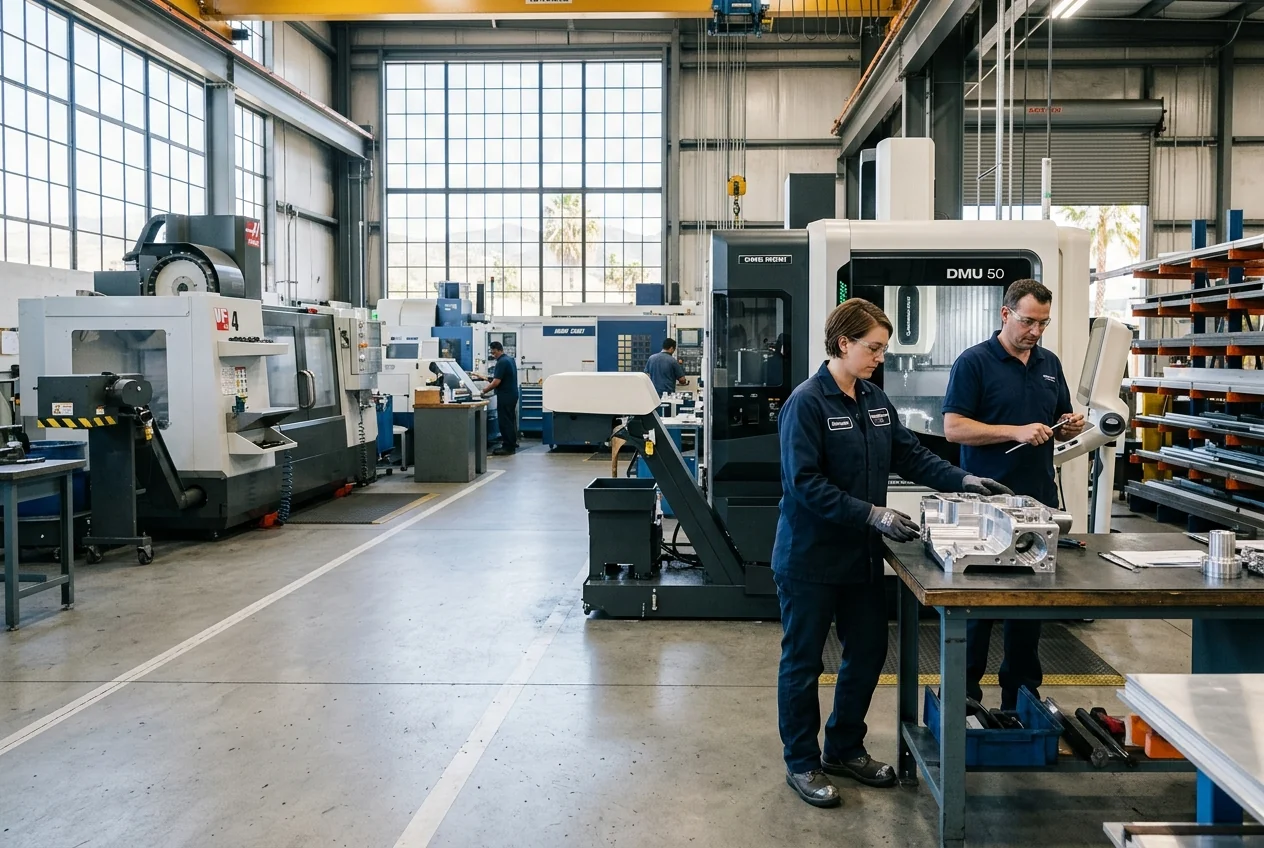
Metal fabrication and CNC insurance should be reviewed against the actual shop operations, not a generic manufacturing label. Property coverage, equipment breakdown, liability and employee protection address different exposures. None should be assumed to replace the others.
A North County machine shop producing decorative components differs from one making structural parts or working at customer locations. Explain specifications, tolerances, end uses, testing and any regulated customer industries. The review identifies questions for underwriting; it does not certify that a particular operation is eligible.
A machine schedule needs more than a purchase price.
List each important machine, ownership or lease status, replacement basis and the work it supports. Include tooling, controls, software dependencies and property being processed for customers. Ordinary property coverage may not respond to every mechanical or electrical breakdown, and maintenance or wear is not automatically insured.
Ask about service arrangements, replacement lead times and whether other equipment can perform the same work. Repairing a control system may be only part of restoring production. Extra expense or business income needs its own cause-of-loss, time-period and limit review.
Explain hot work and loss controls accurately.
OSHA identifies fire, burns, fumes, radiation and other hazards associated with welding, cutting and brazing. For the insurance conversation, describe where hot work occurs, nearby materials, ventilation, housekeeping, training and applicable fire-prevention procedures. Use current OSHA and California workplace guidance with qualified safety personnel; this article is not a safety program.
Disclose finishing, solvents, combustible dust and flammable storage as well as the visible machining work. A process carried out occasionally can still matter. Do not claim that a procedure guarantees a lower premium or prevents every incident.
Separate defective work from injury or damage allegations.
A product liability review asks about alleged bodily injury or property damage involving a product, subject to policy terms. The cost of correcting your own defective product, missed tolerances, recall expenses or a customer’s contractual penalties may be treated differently or excluded.
Explain whether you design, recommend materials, manufacture to supplied drawings or modify a customer’s design. Ask how professional-services exclusions, warranties and contract assumptions affect the proposed coverage. A customer’s specifications do not automatically eliminate the shop’s exposure.
Installation changes the location and timing of risk.
When staff transport, unload, weld or install at a customer site, discuss vehicles, tools in transit, work at height and completed operations. A personal auto policy is not proof of business driving coverage, and a general liability certificate is not proof of workers’ compensation.
Hypothetical example: a CNC shop agrees to install a fabricated assembly rather than shipping it alone. The installation agreement requests completed-operations additional insured coverage. That request requires a policy and endorsement review; adding words to the certificate does not supply the protection. No actual client or claim outcome is described here.
A practical review checklist
Use this list to organize a conversation, not as a substitute for an application or a policy review. Ask how to share supporting documents securely; do not include employee identifiers or other sensitive information in a public URL.
- Materials, processes, design responsibility and product end uses
- Machinery, tooling and customer-property values
- Hot-work procedures and applicable safety/protection records
- Field installation, transportation and subcontractor activities
- Quality control, testing and traceability information
- Contracts, requested endorsements and realistic production recovery times
The takeaway
Bring the shop-floor process and the customer contract into the same review. Ask which risks are addressed, restricted or outside each proposed policy.
Discuss your coverage needs