
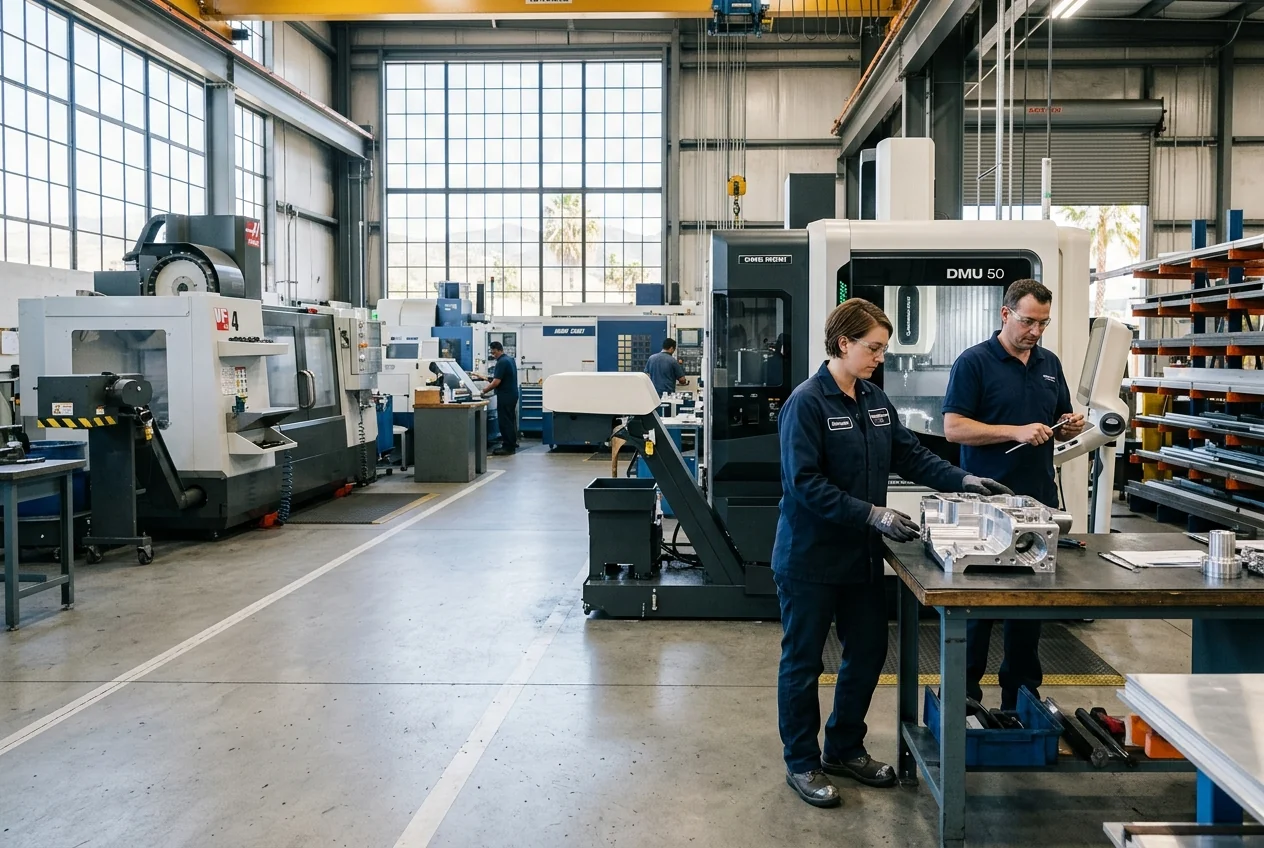
Equipment breakdown and business income are connected but distinct coverage questions. The first asks how a policy treats damage from specified breakdown events; the second asks whether an insured interruption causes covered income loss or extra expense. Both depend on their own wording and limits.
A factory’s bottleneck may be a machine, transformer, refrigeration system or outside processor. Identify the dependency before estimating recovery time. A generic number of months or last year’s equipment purchase price may not reflect what the operation needs after a loss.
Begin with the cause of loss.
Mechanical or electrical breakdown, fire, utility failure, cyber disruption and ordinary wear are not the same event. An ordinary property policy may exclude some breakdown causes; an equipment breakdown provision may have specific definitions and restrictions. Do not assume all downtime is covered because a machine stops.
Ask how the proposed policies coordinate, which equipment is covered and where deductibles or sublimits apply. Maintenance and gradual deterioration remain different from a covered sudden event. An endorsement title alone is not enough to determine the answer.
Estimate income exposure using the actual operation.
Discuss net income, continuing operating expenses, seasonality and payroll treatment with appropriate financial records. Business-income insurance is not automatically reimbursement for every lost sale or every day of closure. Policies define the trigger, waiting period, restoration period and any extended recovery provision.
Separate extra expenses incurred to reduce interruption from ordinary expenses that would have continued anyway. Ask how substitute equipment, temporary premises, overtime or expedited freight would be treated. The existence of an expense does not itself establish that it is covered or reasonable under the policy.
Include the steps after a replacement arrives.
Delivery, installation, controls, calibration, inspection, tooling and customer qualification can all matter to the business recovery plan. Discuss which steps fit the proposed policy’s restoration definition and which remain business risks. Loss of customers or delayed demand recovery should not be assumed insured indefinitely.
Identify outside utilities, component suppliers and processors that could interrupt production without damage at your own location. Dependent-property or utility-service options may be available only with specified locations, causes and limits. Disclose those dependencies rather than assuming your primary income limit extends to them.
Hypothetical example: a critical control unit fails.
Suppose one control unit stops a production line and the replacement requires specialist installation. Repair costs, temporary outsourcing and lost production raise separate questions. A covered breakdown would still need to satisfy the applicable policy conditions; an excluded cause would change the analysis.
No outcome is promised by this example. Ask the broker to explain how your current forms address each cost category and where gaps remain. Update the review when capacity, revenue or recovery lead times change, not only when a policy renews.
A practical review checklist
Use this list to organize a conversation, not as a substitute for an application or a policy review. Ask how to share supporting documents securely; do not include employee identifiers or other sensitive information in a public URL.
- Critical equipment, ownership and replacement values
- Maintenance records and realistic replacement/installation lead times
- Income, continuing expenses, seasonality and payroll assumptions
- Outside suppliers, utilities and processing dependencies
- Waiting periods, restoration limits, deductibles and exclusions
- Workable backup production and temporary operating options
The takeaway
Describe how the business would restart and ask which parts of that recovery are insured. A coordinated review is more useful than assuming a single limit covers every interruption.
Discuss your coverage needs