
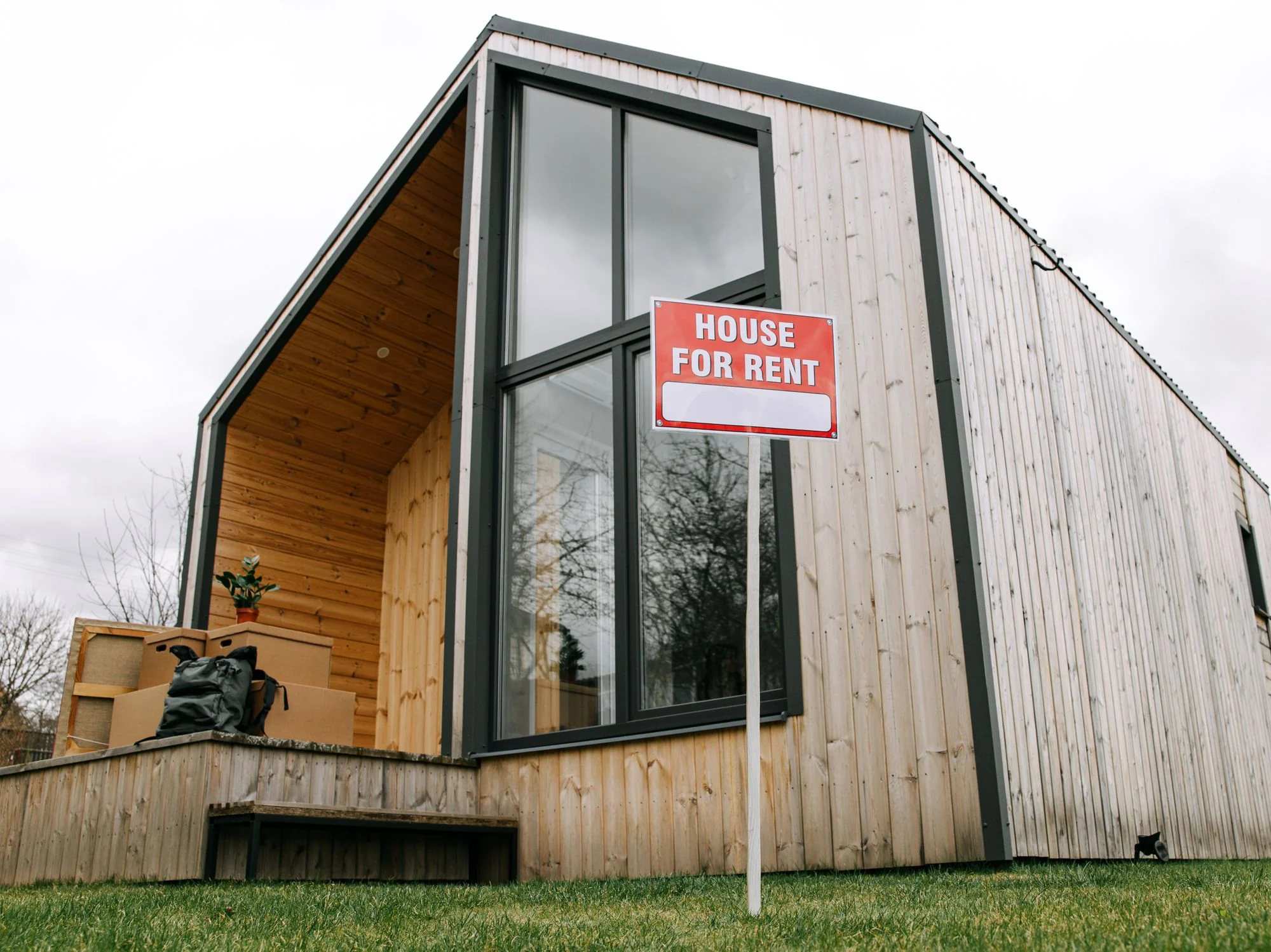
Landlord Insurance, explained.
Protection for the rental home you own, your responsibilities as a landlord and eligible rental income after a covered loss.
Landlord Insurance
Landlord insurance, often called rental dwelling or rental property insurance, is designed for a home you rent to other people rather than occupy as your primary residence. Depending on the policy, it can help pay to repair covered damage to the building, address certain liability claims arising from the rental property and replace eligible rental income while covered damage makes it uninhabitable. Insurance Steel Brokers helps owners in Carlsbad, San Diego County and across California review the property’s use, ownership and coverage needs.
Inside a Landlord policy.
Is this for you?
What protection can do for a landlord.
A covered fire or other insured event can affect both the property and the income it produces. Building coverage addresses eligible repair or rebuilding costs, while rental income protection can address the qualifying rent you lose during a covered repair period. The limits, deductible, valuation method and covered causes of loss need to be reviewed together.
Landlord liability is a different part of the discussion. If a tenant or visitor alleges that an injury or damage resulted from conditions at the property, a covered claim may involve legal defense and damages. It is not a guarantee that every dispute, eviction expense or landlord obligation is insured.
Lost rental income is not a guarantee that tenants will pay.
Standard loss of rent or fair rental value protection generally depends on covered physical damage making the rental uninhabitable. Waiting periods, time limits and covered expenses vary by policy. Ordinary vacancies, a tenant’s missed payments or a decline in rental demand are not the same event.
For example, a covered fire that prevents occupancy during repairs raises a different insurance question from a tenant who stops paying while the house remains usable. Ask exactly what triggers the proposed income coverage and what documentation would be required.
Understand the gaps before relying on a policy.
A landlord policy generally does not insure your tenant’s belongings or substitute for their renters insurance. Normal wear and tear, maintenance, gradual deterioration and many forms of water damage can be excluded. Flood and earthquake usually require a separate coverage discussion.
Vacancy, renovations and short term or vacation rentals can change eligibility or create restrictions. Tell us before converting a homeowners policy, listing a property for short stays or leaving it unoccupied. A hosting platform’s protection should not be assumed to replace the policy you need.
Match coverage to the property and its legal owner.
Discuss the number of units, lease or rental arrangement, property condition, rebuilding value, landlord owned contents and expected rental income. Market value and rebuilding cost are different measures. For a condo, also review the association’s master policy and your responsibilities.
If a trust, LLC or other entity owns the property, the named insured and any additional interests need to reflect that arrangement. Bring current declarations, ownership details and lender requirements to a review with our Carlsbad team. A request starts a conversation; coverage must be confirmed in writing before you rely on it.
Plain language answers.
Do not assume the existing policy covers a different use. Tell your insurer or broker about tenants, lease length and whether you still occupy any part of the property. A rental dwelling policy or specific endorsement may be needed, depending on the circumstances and insurer.
A standard landlord policy generally does not cover ordinary nonpayment or a tenant’s personal property. Loss of rent protection usually requires covered physical damage. Tenants should consider their own renters insurance for belongings, liability and eligible additional living expenses.
No. Short term rental use, vacancy, flood and earthquake need explicit review. Coverage may require an endorsement or separate policy, and availability is subject to underwriting. Tell us how the property is actually used rather than relying on a policy name.
General insurance education, not a coverage determination or legal advice. Eligibility, benefits, exclusions, rental-income protection and available endorsements vary by insurer and policy. Renting a property does not by itself establish coverage. Confirm the correct policy, named insured and effective date with your broker.
Coverages that pair well with this one.


Ready for a Landlord quote?
A short form or a quick call. We’ll shop it across 50+ carriers and come back with options.