
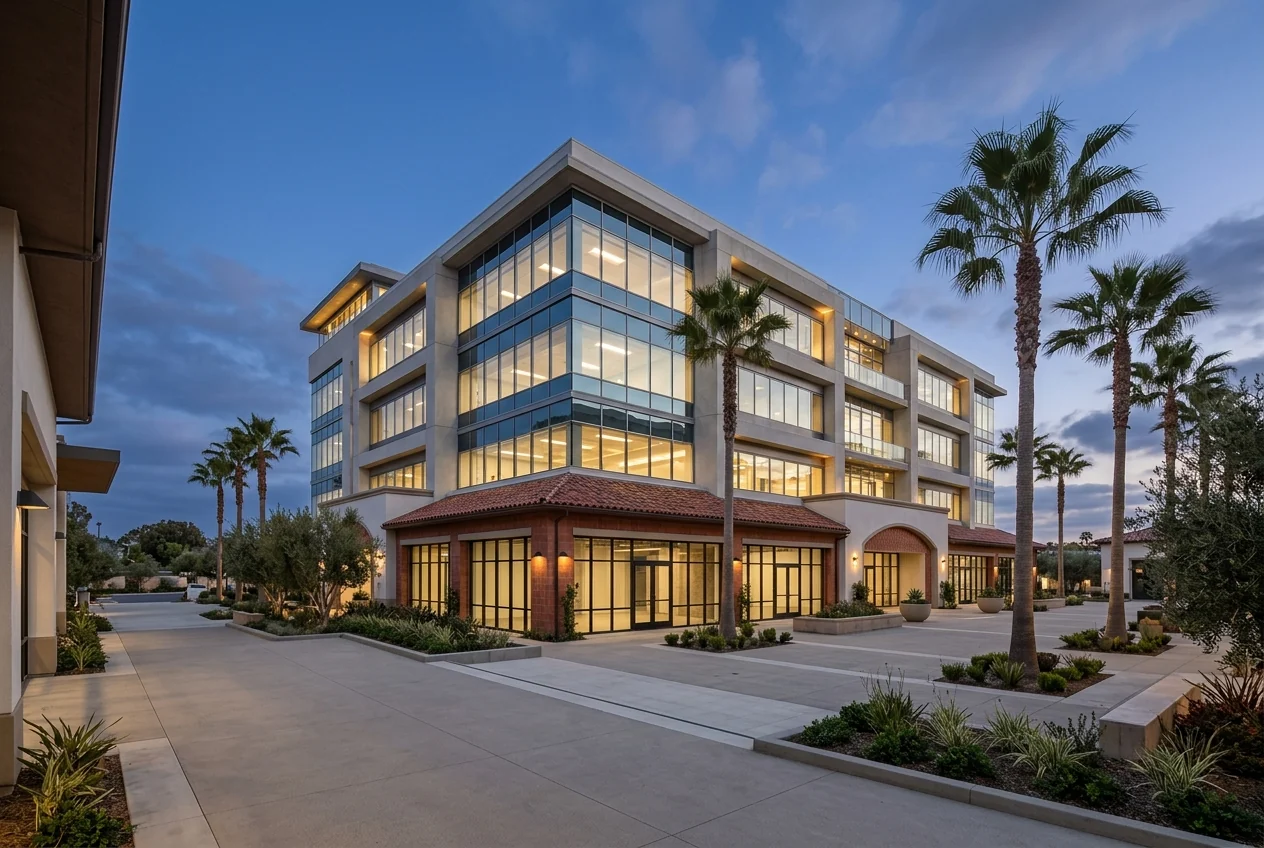
In a commercial lease, the owner typically insures the building and its own liability, the tenant insures its contents, improvements it owns and its operations, and the lease assigns responsibility for everything in between. Loss of rents (rental income) coverage helps an owner when a covered loss makes space untenantable.
This article is for lessors and tenants in San Diego County. It is distinct from personal rental property insurance for homes and condos.
Read the insurance and indemnity sections of the lease.
Identify who insures the building, tenant improvements and betterments, plate glass, HVAC, and the parking lot. Note required limits, additional insured status and waivers of subrogation.
Triple-net leases often pass property premiums to tenants but still require the owner to place the building policy. Some leases require tenants to carry property coverage on the building; clarify to avoid double or missing coverage.
Loss of rents and the period of restoration.
Rental income coverage pays lost rent from a covered loss, subject to limits and the time needed to rebuild. Estimate realistically: permits and construction in Southern California can take longer than expected.
Ask whether common-area charges and taxes passed through to tenants are included in the rental value.
Tenant operations affect the owner’s policy.
A restaurant, cannabis business, auto shop or manufacturing tenant can change property and liability underwriting for the whole building. Tell your insurer about tenant changes.
Collect tenant certificates annually and check that additional insured endorsements are actually issued.
Vacancy and occupancy conditions.
Property policies may limit coverage for buildings vacant beyond a stated period. Tell your insurer about vacancies and renovations.
Vacant space can change both property and liability exposure.
Fictional example: a kitchen fire next door.
A restaurant tenant has a grease fire that damages its space and smoke-damages two neighboring units. The owner’s building policy responds to the building, subject to terms. Loss of rents may help while the units are repaired.
The tenant’s policy should address its improvements, contents and liability. The lease decides who pays for what.
Who insures tenant improvements?
The lease decides. Often the tenant insures improvements it paid for, but some leases make them the owner’s property. Read the clause and coordinate both policies.
What to gather before the review.
Use this list to organize the conversation. We will explain how to share documents securely; do not put identifiers, medical details or financial account numbers in a public web form.
- Lease insurance, indemnity and waiver clauses
- Building values and tenant improvement ownership
- Rent roll and pass-through charges
- Tenant list and operations
- Tenant certificates and endorsements
The takeaway
Start with the lease. When owner and tenant policies are built from the same clauses, gaps and duplicate premiums shrink.
Start my business insurance review