
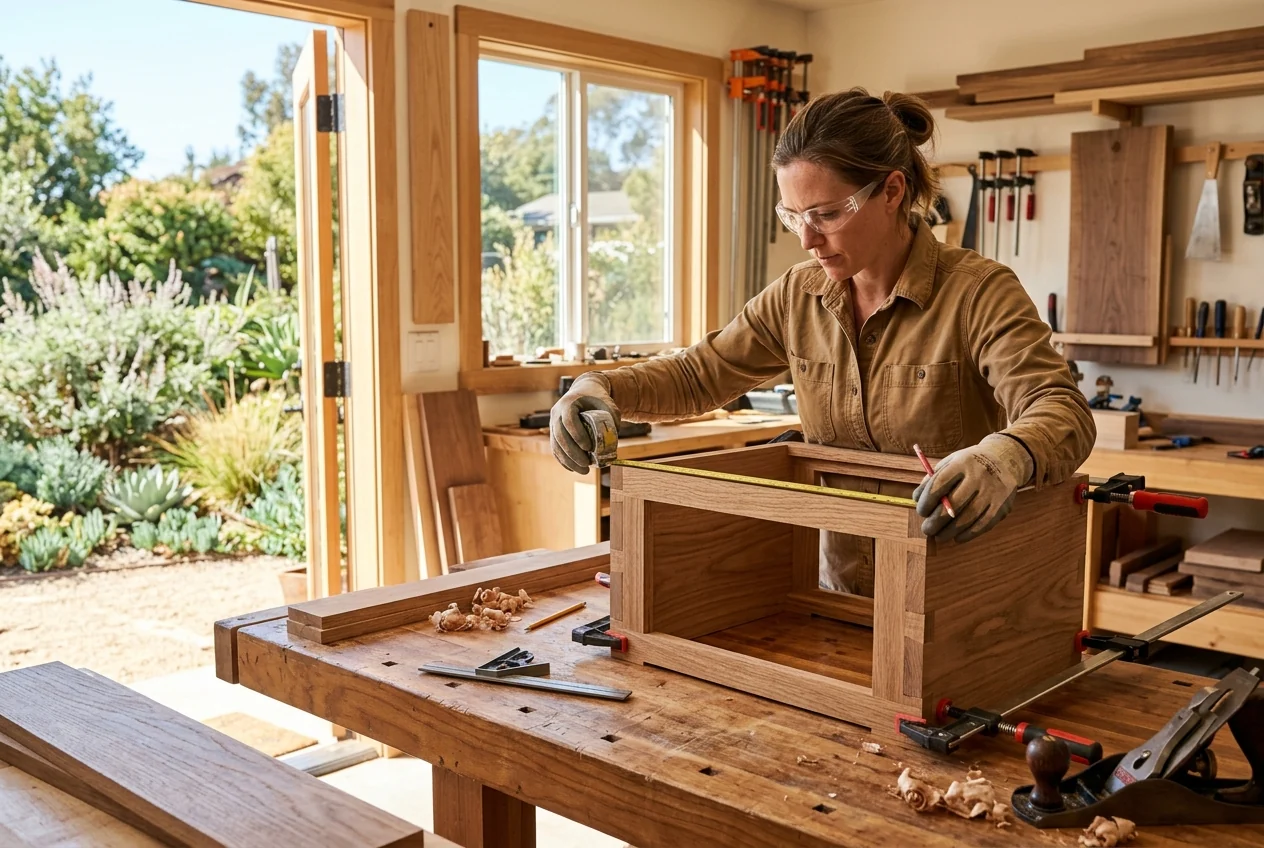
Finish carpentry insurance has to account for shop fabrication, custom materials in transit and installation in finished, often high-value homes. Structural framing and decks are typically treated differently from trim and cabinetry and should be disclosed separately.
This guide helps finish carpenters and cabinet installers describe their shop and job-site operations clearly.
The shop: machinery, dust and products.
A woodworking shop adds property, equipment breakdown, fire and dust-collection questions, and potentially products liability for cabinets you build and sell.
Report shop square footage, machinery values and finishing methods such as spray booths.
Installation in finished homes.
Damage to stone countertops, flooring and finishes during installation is a frequent allegation. Review property-in-your-care terms and completed operations.
Custom millwork waiting for installation can be valuable; insure it in transit and on site.
Classification and payroll.
Shop employees, installers and framers may be classified differently for workers’ compensation. Keep payroll records by duty.
If you occasionally frame or build decks, disclose it; structural work may change eligibility.
Working in high-value homes.
Finish carpenters often work in homes with expensive stone, flooring and fixtures. Protect surfaces, document conditions before work and confirm property-in-your-care terms.
Some homeowners or builders ask for higher limits or an umbrella. Discuss those requests before the job starts.
Fictional example: cabinets in transit.
A shop finishes custom cabinets worth $60,000 and loads them for delivery. The truck is involved in an accident and the cabinets are destroyed.
Whether the loss is covered depends on inland marine or transit coverage for the cabinets, not the auto policy alone. Insure valuable work in transit before it leaves the shop.
When the shop sells products.
Selling cabinets, doors or furniture to other installers or retailers can create products liability separate from installation. Keep records of materials, hardware and instructions.
Ask whether the policy covers products you sell without installing.
Preparing a stronger renewal.
Provide shop details, machinery values, finishing methods, installation revenue and any structural work. Explain dust collection and fire controls.
Keep subcontractor certificates if you hire installers.
Fictional example: a damaged countertop.
While installing crown molding, a carpenter drops a nail gun onto a new quartz countertop and chips it. The homeowner asks the carpenter to pay for replacement. Depending on the policy, damage to property that is not the carpenter’s own work may be addressed by liability coverage, but exclusions for property being worked on can matter.
Protecting nearby finishes with padding, keeping tools off stone surfaces and photographing conditions before work help prevent and resolve this type of dispute. The example is fictional and not a prediction of coverage.
Shop safety and workers’ compensation.
Table saws, routers, shapers and CNC equipment are leading sources of serious hand injuries. Machine guarding, push sticks, training records and dust collection maintenance are common underwriting questions for woodworking shops.
Classify shop employees and field installers by their actual duties. If installers also do occasional framing or deck work, disclose it so the classification and eligibility are correct.
Is finish carpentry rated the same as framing?
Often not. Insurers may treat structural framing as a different exposure. Disclose both regular and occasional work.
What to gather before the review.
Use this list to organize the conversation. We will explain how to share documents securely; do not put identifiers, medical details or financial account numbers in a public web form.
- Shop location, machinery values and finishing methods
- Products sold vs. installed
- Materials in transit and on site
- Any framing, deck or structural work
- Payroll by duty and loss runs
The takeaway
Keep the shop and the job site in one coordinated review so neither side of the business is left out.
Start my contractor review